
Why are self-checkout systems a source of frustration for retail workers, and what role do customer behavior, technology issues, workload pressure, and store management practices play in creating these challenges?
Why do retail workers experience frustration when managing self-checkout systems, and how do factors such as customer confusion, technical malfunctions, increased workload, theft prevention, staffing shortages, and repetitive assistance requests contribute to workplace stress, reduced job satisfaction, and overall operational challenges in the retail industry?
IDENTITY & SELF-WORTHALL POSTS
Whystill
6/18/20268 min read
Introduction to Self-Checkout Systems in Retail
Self-checkout systems have transformed the retail landscape significantly over the past two decades. These systems enable customers to scan, bag, and pay for their purchases independently without the direct assistance of a cashier. Typically found in grocery stores, pharmacies, and convenience shops, self-checkout stations aim to provide an efficient shopping experience. Retailers have increasingly adopted these systems due to their potential to streamline operations, reduce labor costs, and enhance customer satisfaction.
The intended benefits for retailers include minimizing the number of employees required at checkout counters, which can lead to substantial savings in payroll expenses. Moreover, self-checkout systems can expedite the purchasing process, often resulting in shorter lines and quicker transactions during peak shopping times. This efficiency not only improves the overall shopping experience for customers but also enables retailers to allocate staff to other essential areas of the store, such as stocking shelves or assisting customers with inquiries.
From the customer's perspective, self-checkout systems provide a sense of autonomy, allowing them to control their shopping experience. Many consumers appreciate the privacy that comes with scanning their items, and some even prefer engaging with technology rather than traditional cashiers. However, despite their growing acceptance, these systems are not without challenges. Retail workers, in particular, face a unique set of issues as a direct result of the rise of self-checkout technology. The shift to automated processes has redefined job roles within retail environments, leading to frustrations among staff members who must manage inconsistencies and customer queries related to these self-service kiosks.
Customer Behavior and Its Impact on Self-Checkout Efficiency
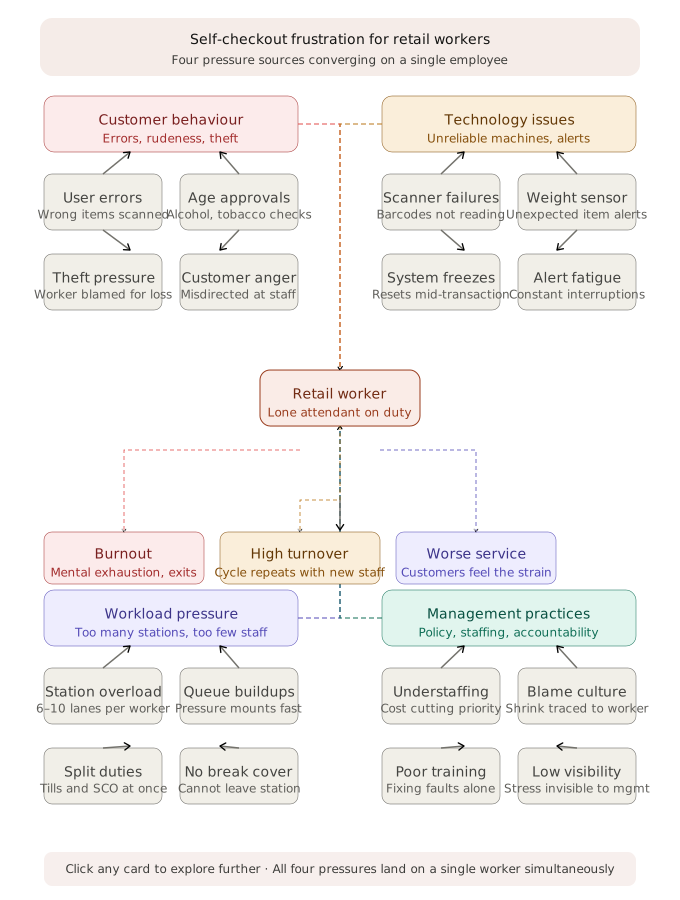
Self-checkout systems have revolutionized the retail experience, allowing customers greater autonomy by managing their own transactions. However, the efficiency of these systems heavily relies on customer behavior, which can significantly impact the workload of retail workers. Common mistakes made by customers include mis-scanning items, selecting incorrect quantities, or inadvertently failing to scan all items in their carts. Such errors can create notable disruptions in the intended efficiency of self-checkouts.
When these mistakes occur, customers often seek assistance from retail workers, causing bottlenecks at the self-checkout stations. For instance, if a customer scans an item incorrectly or encounters a system error, they may require immediate help to resolve the issue, leading to delays not just for themselves but also for the customers waiting behind them. These interruptions place an additional burden on employees, who must divert their attention from other duties to manage these situations. Furthermore, the constant influx of inquiries regarding self-checkout procedures can lead to increased stress among retail workers, as they are required to perform troubleshooting and offer guidance while simultaneously maintaining customer satisfaction.
Additionally, some customers might underestimate the complexity of using advanced self-checkout technology. New users may spend an excessive amount of time familiarizing themselves with the system, which can frustrate both the workers and other customers. Often, these issues are exacerbated during peak shopping hours, making it essential for retail management to provide thorough training and clear instructions. Only through understanding the nuances of customer behavior can improvements be made to foster a better shopping experience and alleviate the pressures faced by retail workers at self-checkout systems.
Technical Limitations and Challenges of Self-Checkout Technology
Self-checkout systems have become a staple in the retail landscape, offering convenience for customers and an opportunity for retailers to streamline operations. However, these systems are not without their technical limitations, which can frustrate both customers and retail workers alike. One prevalent challenge is the issue of software glitches that can hinder the overall functionality of self-checkout stations. These glitches can manifest in various forms, such as frozen screens or unresponsive touch interfaces, which not only inconvenience customers but also place additional pressure on employees to resolve the problems swiftly.
Another common technical challenge resides within the scanning mechanisms of self-checkout kiosks. Scanner malfunctions often lead to delays as customers struggle to get their items recognized by the technology. For instance, items might not scan properly due to damaged barcodes or poor alignment, leading to frustration and even abandonment of the transaction altogether. This exacerbates the workload for retail staff, who must step in to assist and manage these unexpected hurdles.
Furthermore, equipment failures can arise from various components of the self-checkout system, such as payment terminals or bagging areas. When these elements are out of order, not only does it lead to longer wait times for other customers, but it also necessitates that retail associates step away from their other responsibilities to troubleshoot the issues. These recurring technical problems contribute to a sense of inefficiency in the self-checkout process, dampening the overall shopping experience and further complicating the roles of retail workers.
The integration of self-checkout technology, while intended to enhance productivity, often unveils significant challenges that cannot be overlooked. Addressing these technical limitations is essential for creating a more seamless shopping experience for both customers and employees alike.
The Psychological Burden on Retail Workers: Workload Pressure
The introduction of self-checkout systems in retail environments has brought about significant changes to the dynamics of customer service and operational efficiency. However, this innovation has also imposed a substantial psychological burden on retail workers. As self-checkout stations become increasingly prevalent, employees often face the daunting task of monitoring multiple units simultaneously while also assisting customers in various capacities. This dual responsibility can lead to heightened workload pressure.
Retail workers frequently encounter challenges such as ensuring that customers are using self-checkout systems correctly, troubleshooting technical issues, and managing instances of theft or fraud. This multitasking requirement can lead to increased stress levels among employees, particularly when they are expected to provide high-quality customer service in addition to overseeing the self-service technology. The pressure to maintain order and efficiency in a bustling retail environment can result in feelings of being overwhelmed, contributing to job dissatisfaction.
Moreover, the expectation for employees to adapt to new technologies can be an additional source of anxiety. Retail workers may feel inadequate if they struggle to assist customers or resolve technical difficulties, further exacerbating their stress. The constant balancing act between customer engagement and self-service oversight can diminish the overall job satisfaction and morale of retail employees, leading some to experience burnout.
As the retail landscape evolves with the integration of technology, it is crucial to recognize and address the psychological burdens that self-checkout systems impose on workers. Retail management must provide adequate support and training to ensure that employees can effectively navigate the demands of their roles without compromising their mental well-being.
Store Management Practices and Employee Support
In the landscape of modern retail, self-checkout systems have become increasingly common, presenting both benefits and challenges for store management and employees. Effective management practices play a pivotal role in determining how well these systems function alongside human labor. However, many retail environments face significant hurdles that stem from management strategies, particularly regarding employee support and staffing levels.
One of the primary challenges is inadequate staffing. Many retail managers prioritize cost efficiency, leading to a reduction in personnel to handle customer inquiries and technology-related issues. When the self-checkout systems malfunction or when customers struggle to use them, employees may be overwhelmed by the demand for assistance. This demand can quickly escalate during peak shopping hours, leading to frustration not only for customers but also for the workers trying to address multiple issues simultaneously.
Furthermore, the lack of comprehensive training is another critical area that impacts employee performance when navigating self-checkout challenges. Effective training programs should equip employees with the necessary skills to operate and troubleshoot these systems. Without proper training, workers may feel ill-prepared to deal with technical difficulties, exacerbating their frustration during busy periods. This neglect can hinder customer experience as employees scramble to find solutions without sufficient knowledge or time.
Additionally, management must also consider providing ongoing support to employees who are facing daily encounters with technology-related issues. Regular feedback sessions, mentoring opportunities, and clear communication channels can significantly enhance employees’ confidence when addressing complex problems. By fostering an environment where employees feel supported and valued, management can alleviate some of the adversities stemming from self-checkout operations.
Ultimately, effective store management practices that include proper staffing, robust training, and active employee support can greatly mitigate the frustrations associated with self-checkout systems, leading to an improved experience for both customers and employees alike.
Comparative Analysis: Traditional Checkouts vs. Self-Checkouts
The landscape of retail has significantly evolved with the introduction of self-checkout systems, prompting a comparison with traditional checkouts. One of the most apparent distinctions between these two systems lies in staffing needs. Traditional checkout lanes typically require dedicated cashiers to manage transactions, provide customer service, and handle unexpected issues, such as price discrepancies or payment problems. In contrast, self-checkout stations often reduce the number of staff needed at the front end of the store, as customers are expected to process their transactions independently. However, this does not mean that staffing needs vanish entirely; rather, it shifts to requiring staff who can oversee multiple kiosks, troubleshoot technical issues, and assist customers with system navigations.
Customer interactions at traditional checkouts often foster human connection, where cashiers can engage with customers, answer questions, and provide personalized service. This interaction not only enhances customer experience but also builds a rapport between the staff and shoppers, which can improve customer loyalty and satisfaction. On the other hand, self-checkouts limit direct engagement, leading to potential frustration for consumers who may encounter difficulties with technology, such as scanning items or making payment selections. Retail workers have reported that this lack of interaction can create challenges, as they navigate balancing assistance with increasing lines of impatient customers.
Overall, the dynamics of work in retail shift dramatically when comparing traditional checkouts to self-checkouts. While the latter may streamline processes, they introduce complexity to the retail environment that requires workers to adapt quickly to new roles. The adjustments in responsibilities and the nuances of customer interactions highlight the necessity for a balanced approach, where technological advancements enhance rather than diminish the retail experience for both workers and consumers.
Potential Solutions and Future Outlook for Retail Workers
As the retail landscape continues to evolve, self-checkout systems are becoming a staple in many establishments. While these systems provide benefits such as reduced wait times and increased efficiency, they also present significant challenges for retail workers. Addressing the frustrations associated with self-checkout systems requires a multifaceted approach that encompasses technological improvements, customer education, effective employee training, and robust management support.
One potential solution is to enhance the technology used in self-checkout systems. Retailers can invest in user-friendly interfaces that guide customers through the checkout process clearly and intuitively. Adding features such as video tutorials or prompts can help bridge the gap for those who are unfamiliar with the technology, reducing the frequency of errors and the need for employee intervention.
Customer education is equally important. Retailers can implement strategies to inform customers about how to use self-checkout stations effectively. This could include signage displaying instructions and best practices, or short instructional videos played near self-checkout areas. By empowering customers with knowledge, the reliance on retail staff for assistance may diminish, allowing them to focus on other essential tasks.
Moreover, employee training must be a priority. Retail workers should receive comprehensive training not only on how to operate self-checkout systems but also on how to support customers effectively. This training can foster a sense of confidence in employees, thus contributing to better customer service and workplace satisfaction.
Management support is critical as well. Retail organizations should create a supportive environment that encourages feedback from employees regarding self-checkout systems. Regular assessments can help identify persistent challenges and provide insights into customer interactions. Additionally, addressing workload concerns by redistributing responsibilities can ensure that retail workers are not overwhelmed while assisting customers at self-checkout stations.
Looking forward, the future of self-checkout systems may involve increased integration with artificial intelligence, enabling more advanced customer support features. Retailers that adapt to these changes while prioritizing the needs of their employees will likely create a more sustainable working environment. Ultimately, a collaborative approach that includes improvements in technology, customer support, and employee development can reduce frustrations, benefiting both retail workers and customers alike.